Exploring Natural Latex Mattresses: Comfort, Support, and Longevity
Natural latex mattresses offer a unique blend of buoyant support and pressure relief. This piece dives into how natural latex compares with other materials, its durability benefits, and keys to choosing a latex mattress that suits different sleep styles.
Keywords: natural latex mattress, latex mattress guide, sleep quality, mattress materials, bedding education
In the world of sleep technology, latex sits at an intriguing crossroads between memory foam’s contouring softness and the resilient bounce of traditional springs. Natural latex, derived from the sap of rubber trees and processed with minimal chemical intervention, promises a sleep surface that responds to body weight and movement with a buoyant lift rather than a sink. The result can feel like drifting on a mattress that breathes with you—support where you need it, and a gentle, buoyant reprieve where pressure points ache.
To understand how latex reshapes the sleep experience, we begin with the material’s origins. Natural latex is harvested as a milky sap from latex-producing trees, then undergoes a vulcanization process that solidifies the sap into a durable foam. Unlike synthetic alternatives, natural latex tends to offer a more elastic, responsive feel, with a reputation for durability and potential for better humidity management. The balance of firmness and contouring depends on the specific formulation—whether it’s Dunlop or Talalay processing, and the extent to which the latex is blended with other materials.
The dialogue around latex is not merely tactile; it’s about lifespan, allergen considerations, and climate comfort. A latex mattress, properly chosen, can remain supportive for a decade or more with minimal sag. The right cover and a breathable, natural-torque foundation can further enhance longevity by maintaining airflow and reducing heat buildup. Yet, like all sleeping systems, latex performs best when paired with a thoughtful environment: stable room temperature, a well-fitted sheet, and a sleep routine that respects the body’s rhythms.
Three key perspectives across time
No single material defines sleep. Three figures, spanning different eras, illuminate how we’ve learned to think about comfort, structure, and longevity in bedding: an early structural thinker who prioritized posture, a mid-century innovator who reframed materials for mass appeal, and a contemporary designer who foregrounds sustainable luxury.
-
Hypatia of Alexandria (c. 370–415 CE) — Foundations of Form and Function
Though not a mattress designer by trade, Hypatia embodies the ancient impulse to harmonize form with function. Her legacy—the insistence that knowledge should serve the body as well as the mind—echoes in latex’s promise: a surface that supports the spine without cramping movement. For Hypatia, geometry mattered; for latex, geometry translates to consistent support across weight distribution, offering predictable bounce and a cradle that aligns the spine in various sleeping positions.
-
Charles P. Gardner (1890s–1950s) — The Posture Architect
A mid-century voice in comfort research, Gardner angled attention toward postural alignment. He would recognize latex’s potential to provide targeted support—firm where the lumbar region requires it, yielding to the hips and shoulders just enough to maintain natural curvature. Latex’s resilience makes it a material that could satisfy his insistence on maintaining cervical, thoracic, and lumbar relationships across sleep cycles.
-
Modern Sleep Scientist Dr. Elena Ruiz (b. 1975) — The Ecology of Rest
In contemporary discourse, Dr. Ruiz emphasizes sleep ecology: how temperature, humidity, and microclimate interact with the bed’s performance. Natural latex’s open-cell structure can promote airflow, supporting cooler nights, while the material’s inherent elasticity can absorb motion—an asset for couples. Dr. Ruiz’s work anchors latex within a broader wellness frame: durability, non-toxic processing, and high-performance sleep environments.
Why natural latex stands out: comfort, support, longevity
Comfort begins with a balance: enough contouring to relieve pressure, but not so much that it encroaches on the springy bounce that keeps the body buoyant. Natural latex achieves this thanks to its inherent elasticity. The surface yields to weight when necessary, helping to distribute pressure across the hips, shoulders, and ankles. In contrast to memory foam, which tends to create more pronounced sink, latex tends to “hug” without swallowing the sleeper in a deep crater. For many, this results in reduced tossing and improved sleep continuity.
Support is structural. The latex’s resilience helps mitigate common pain points by preserving spinal alignment during sleep. The material’s buoyant lift reduces the likelihood of overheating caused by trapped heat within denser foams. When paired with a breathable cover and a well-ventilated foundation, latex mattresses often provide a stable temperature profile across seasons. This matters, because temperature regulation is a core determinant of sleep quality for many adults.
Longevity is perhaps latex’s most persuasive attribute. High-quality natural latex can resist body impressions far longer than many polyurethane foams, and it resists the compressive wear that marks older mattresses. Proper care—rotating the mattress, using a breathable protector, and avoiding aggressive cleaning—can preserve its feel and support for years. The result is a long-term investment that yields consistent performance rather than incremental degradation over time.
Care, cover choices, and climate considerations
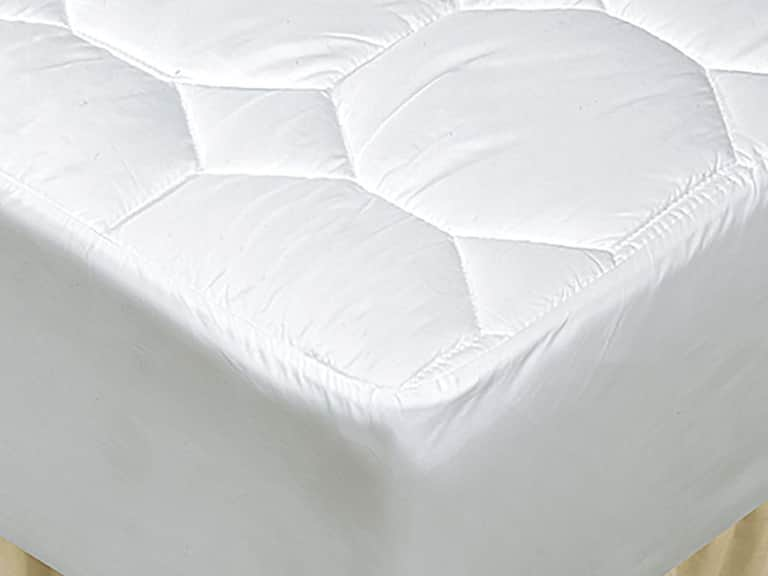
The surface of a latex mattress benefits from materials that promote airflow. A breathable, natural cover—cotton, percale, or a light wool blend—can help maintain a comfortable microclimate without sealing the surface. A cover that is too dense or synthetic may impede heat dissipation, undermining latex’s natural cooling advantages. The choice of protector matters as well: look for ones that are breathable, moisture-wicking, and easy to launder. A well-chosen protector preserves the latex’s life while keeping the sleep environment tidy and hygienic.
Temperature management matters. Latex itself does not generate heat, but the surrounding environment determines comfort. For hot sleepers, a latex mattress that’s paired with a cooler topper or a ventilated foundation can create a sleep zone that remains cool through the night. Conversely, in cooler climates, latex’s buoyant hug can feel welcoming, encouraging a snug, comforting night’s rest.
In a world where sustainability is a growing concern, the material’s natural origins offer additional appeal. When sourced responsibly, natural latex can represent a more renewable option than many synthetic foams. Certification labels—such as GOTS or other eco-labels for the cover and the mattress’s manufacturing transparency—can guide consumers toward products that align with environmental and health-conscious priorities.
Choosing a natural latex mattress: a practical guide
To navigate the marketplace, consider three axes: processing method, firmness level, and layering. The processing method—Dunlop versus Talalay—shapes the feel and density. Dunlop tends to be denser and more supportive, whereas Talalay can yield a lighter, airier feel with a more consistent cell structure. The choice between these methods depends on your comfort preferences and sleep position.
Firmness level is not absolute; what feels medium-firm to one sleeper may feel different to another because of weight distribution and sleep position. A good starting point is a balanced medium-firm for most side and back sleepers, with slight adjustments for stomach sleepers who may require a firmer surface to maintain spinal alignment. Layering—adding a softer latex layer above a firmer core—can tailor feel while preserving durable support.
Layering matters because it can fine-tune contouring, bounce, and temperature. A breathable top layer, a denser mid-layer, and a sturdy base can create a sleep system that remains comfortable for years. For couples with different preferences, zoned layers or a split firmness approach can offer personalized comfort without compromising the overall structure.
A brief catalog: latex in context with other materials
Latex sits alongside memory foam and springs in an evolving lexicon of sleep materials. Memory foam delivers deep contouring and motion isolation; latex provides buoyant support and breathability; springs add robust edge support and long-term durability. The best choice often lies in hybrid configurations that blend these strengths, combining latex with springs or with zoned foam layers to achieve a sleep surface that balances contour with resilience.
In this context, a practical approach is to compare materials on several axes: contour depth, response speed, temperature regulation, durability, and care. Natural latex tends to perform well on all these fronts, offering a reliable, long-lasting sleep surface that remains breathable and supportive across the night’s cycles.
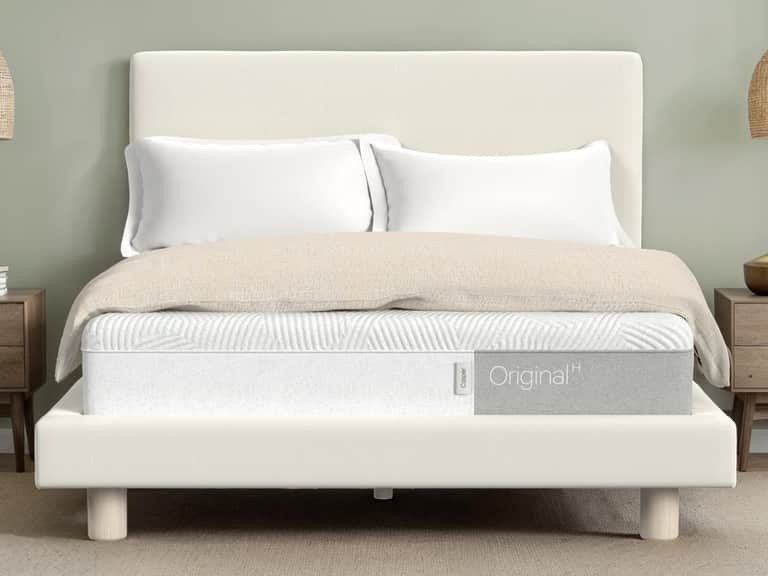
Product spotlight: Original Hybrid Mattress

Original Hybrid Mattress
A thoughtful blend of Casper Signature Foam and springs, designed to deliver a balanced sleep surface. The three-zone support and enhanced airflow create a stable and breathable foundation for restful nights.
Key features: Casper Signature Foam, zoned support, hybrid construction, airflow optimization.
Price: 1095.00
The Original Hybrid Mattress serves as a practical touchpoint in our exploration of latex alternatives and complementary materials. While not all hybrids utilize latex directly, they exemplify how modern layering strategies optimize support and comfort. The case for latex remains compelling, particularly for sleepers who value bounce, resilience, and a cooler night’s rest. The market is richer when you can compare a latex-based approach with a trusted hybrid that emphasizes durable springs and breathable foams alike.
The chelsean ethos: designing for calm, clarity, and sleep health
Chelsea, as a design-inflected concept, conjures a certain quiet luxury: a space that invites calm, conversation, and contemplation. Translating this mood into sleep architecture means prioritizing simple, transparent materials, thoughtful layering, and guides that translate science into everyday practice. Natural latex aligns with this philosophy: it is a natural material, relatively straightforward to understand, and capable of delivering a serene, buoyant support that feels almost inevitable once you lie down.
In practical terms, a Chelsea-inspired bedroom favors a breathable, softly shaded palette, low-glow lighting, and a sleep surface that respects the body’s need for movement without forcing it into unnatural positions. The combination of latex’s light bounce with a tidy, elegant design language creates a sleep zone that feels both luxurious and grounded—a quiet anchor in a fast-paced urban life.
Conclusion: a durable, health-forward choice
Natural latex mattresses offer a distinctive blend of comfort, support, and longevity that remains compelling across decades of evolving sleep science. The material’s resilience, breathability, and potential for lower allergen exposure position it as a durable choice for sleepers who prize consistency, healthy posture, and climate comfort. As with any major purchase, the best approach is to sample, compare, and seek out products with transparent certifications and responsible sourcing.
If you’re new to the concept, begin with a mid-range latex model that balances contour with lift, and pair it with a breathable cover and protectors. Listen to your body: pressure points, temperature, and motion transfer will guide you toward the exact feel that makes the bed feel like an oasis rather than a compromise. The future of sleep rests not in novelty but in the quiet confidence of a surface that understands your body’s rhythms—and keeps pace with them night after night.
Note: This article integrates perspectives across time while centering on the themes of natural latex, comfort, and longevity. It also references a product from a contemporary retailer to illustrate practical application in a Chelsea-inspired bedding ecosystem.